The Book of ___ and ____
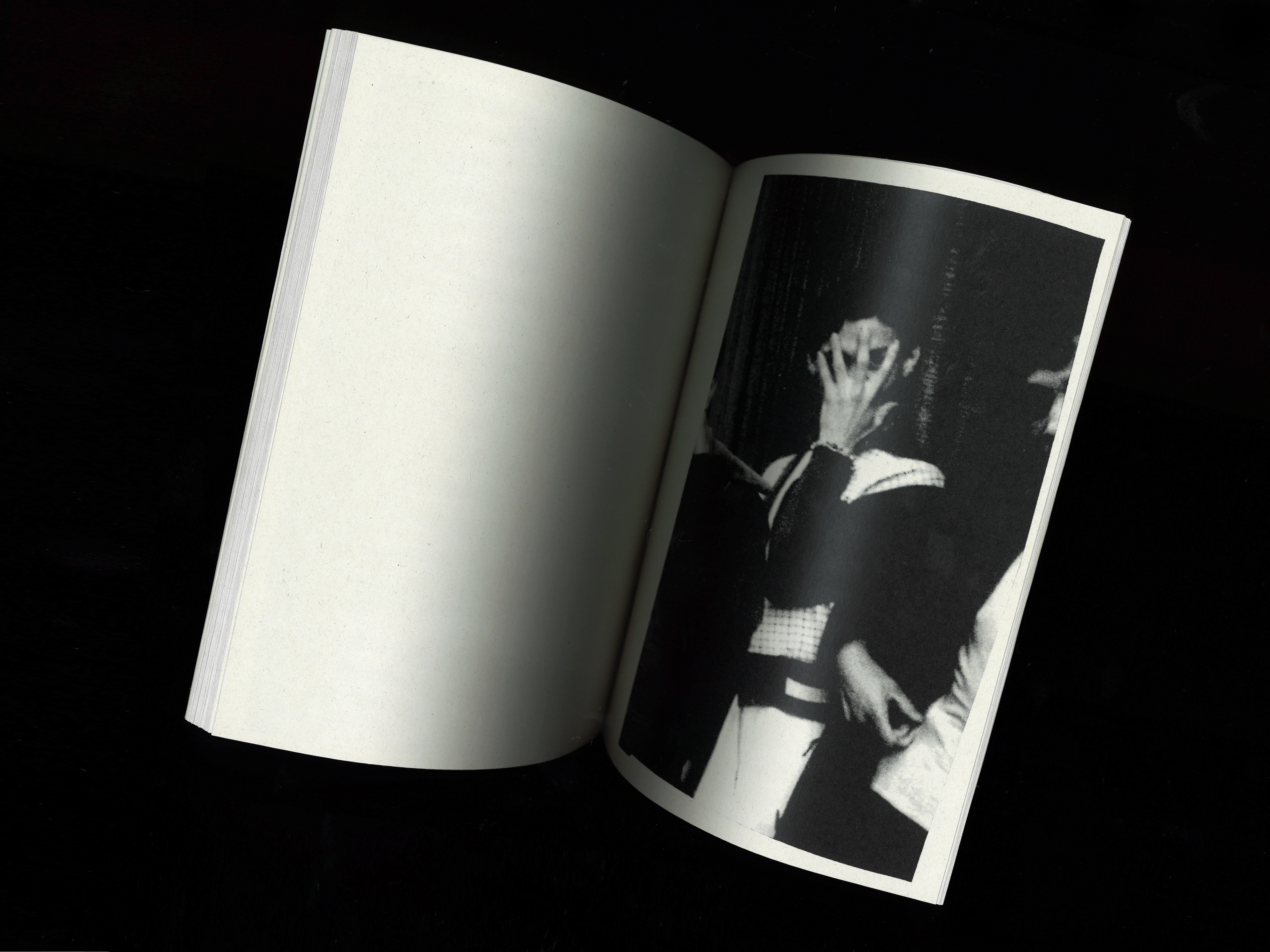
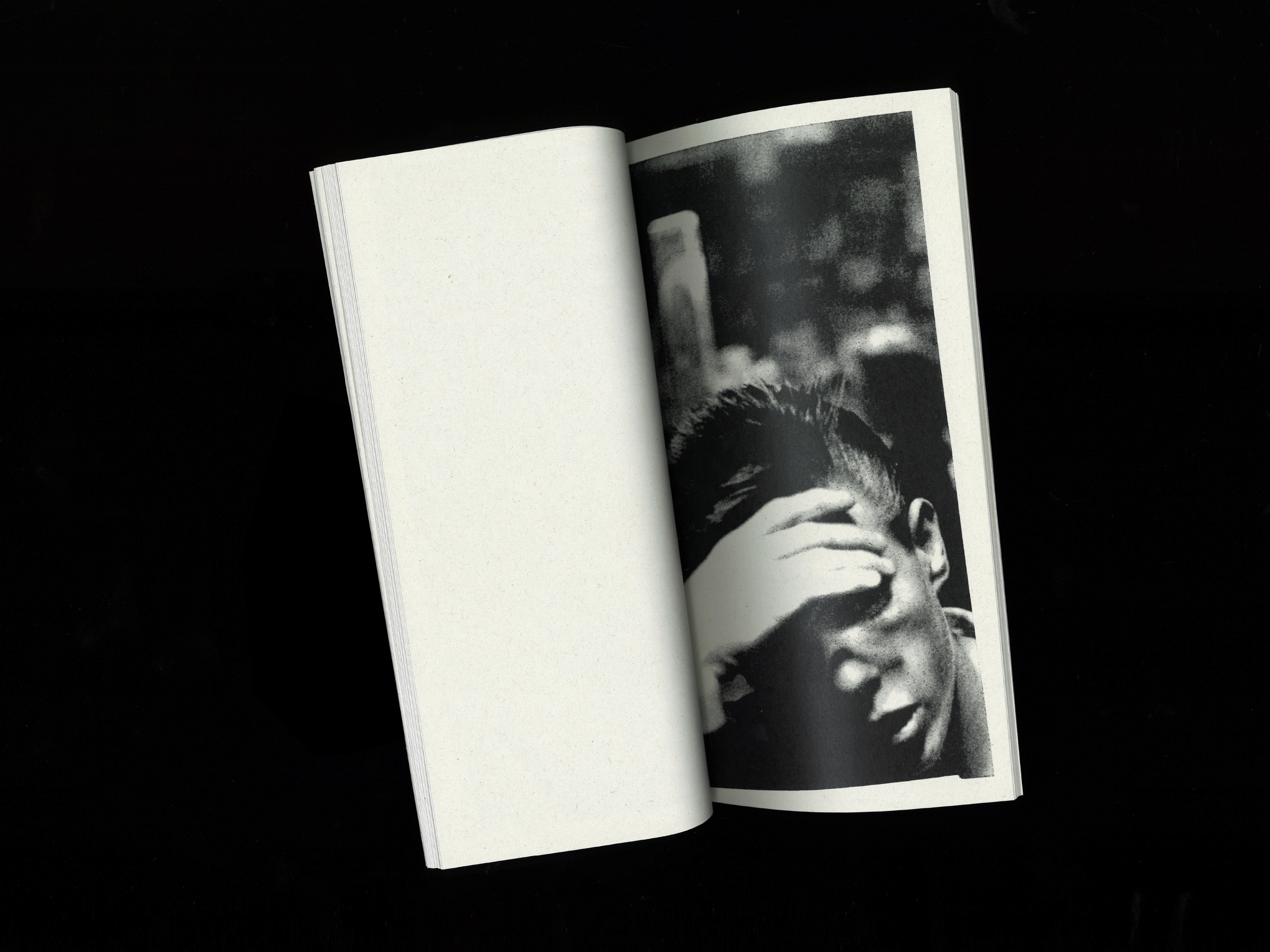
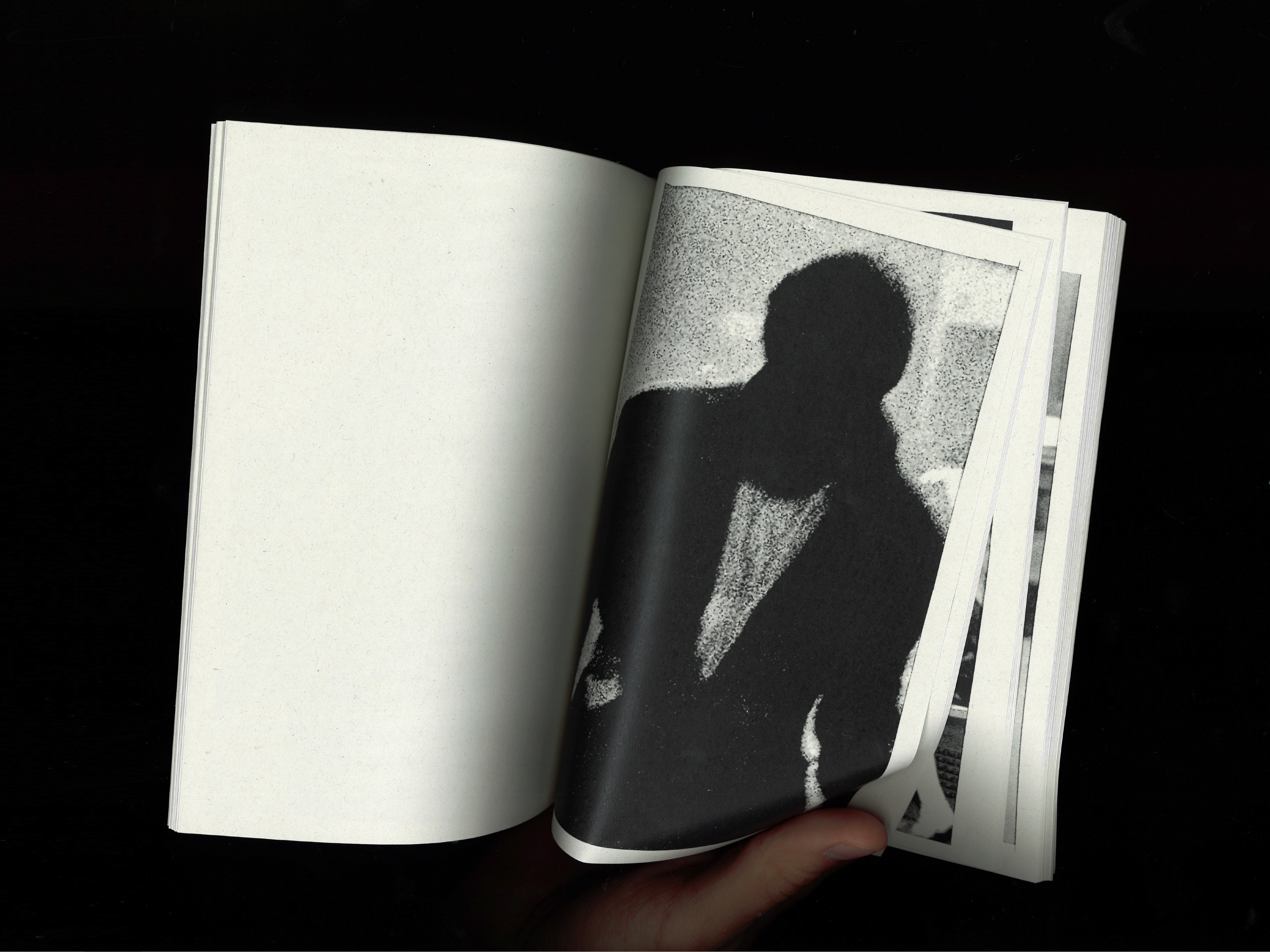
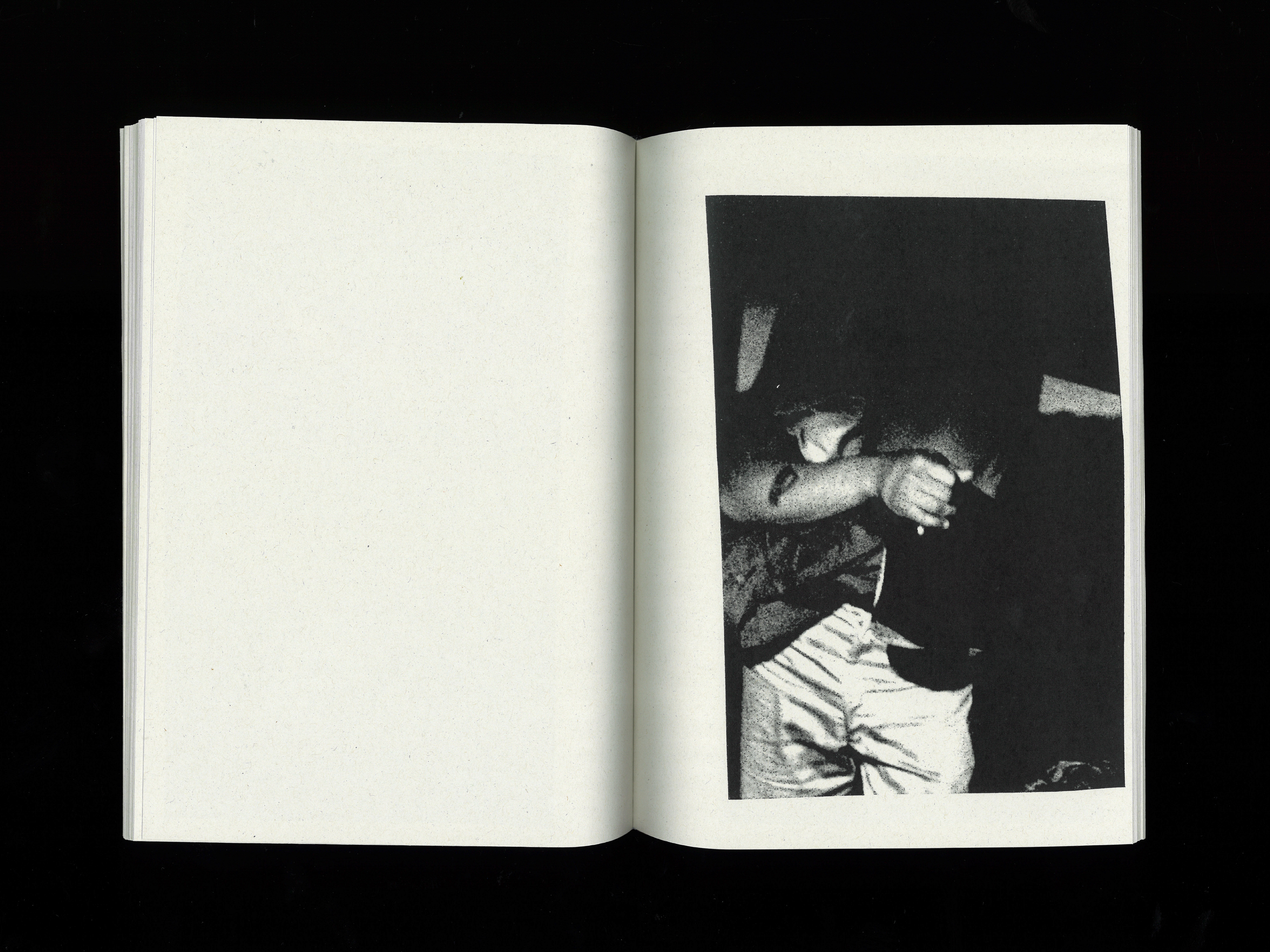
My publication explores the topic of censorship. To achieve this, I used a paper with a square hole cut into it copy parts of existing black-and-white photographs and arranged them in a sequence that is both associatively connected and emotionally evocative. In addition, the artifacts created by the photocopier and the light gray paper I chose convey the feel of an old archival document.






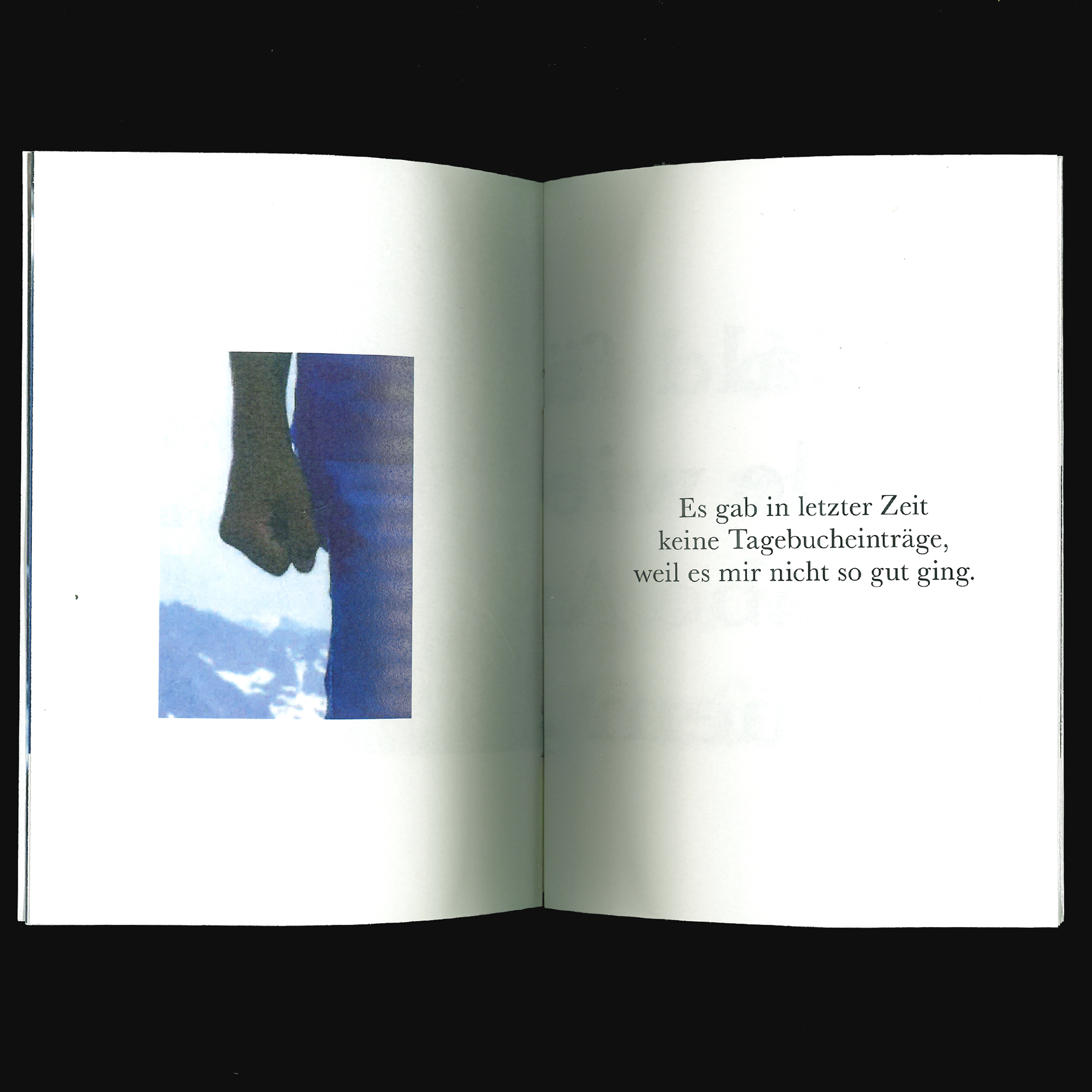
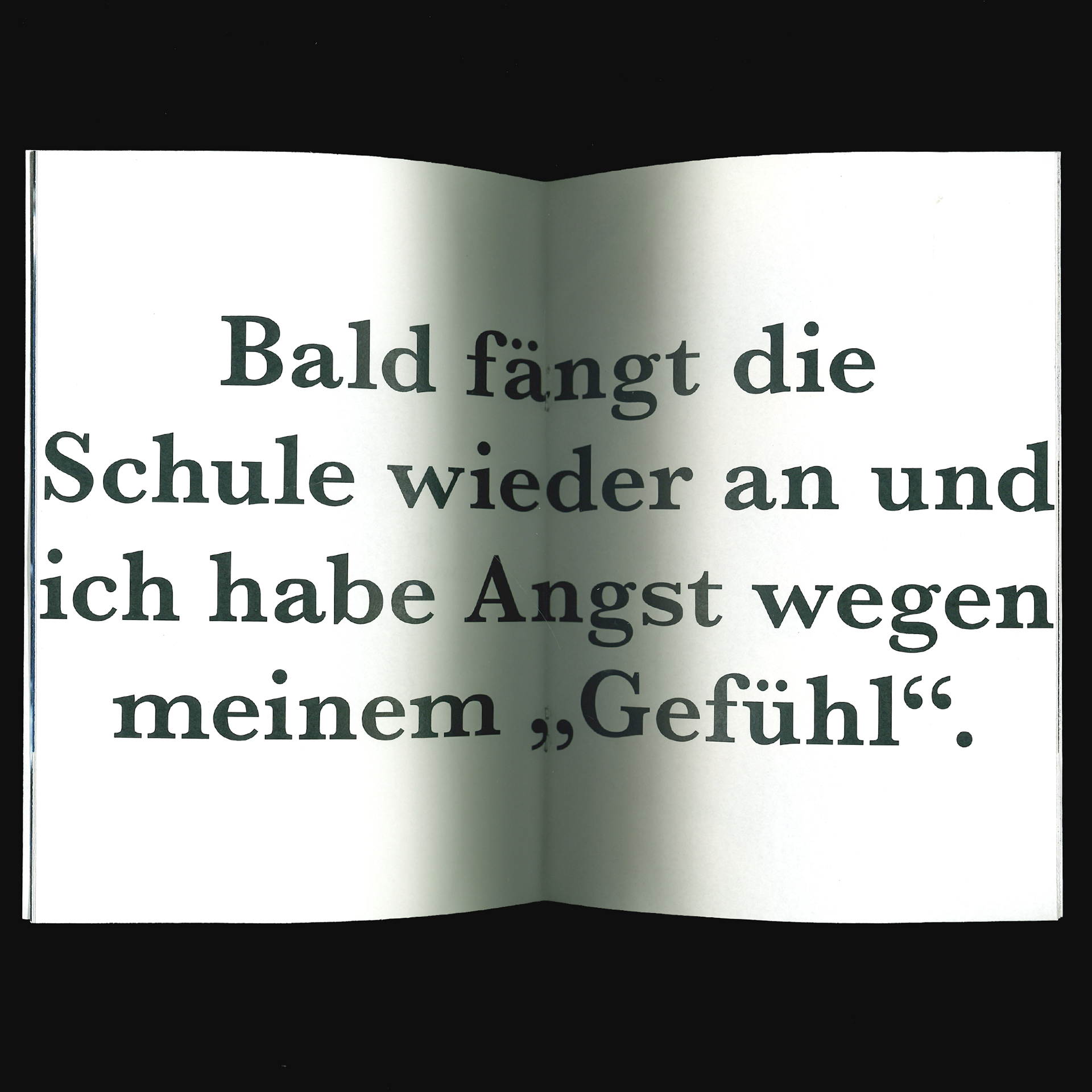
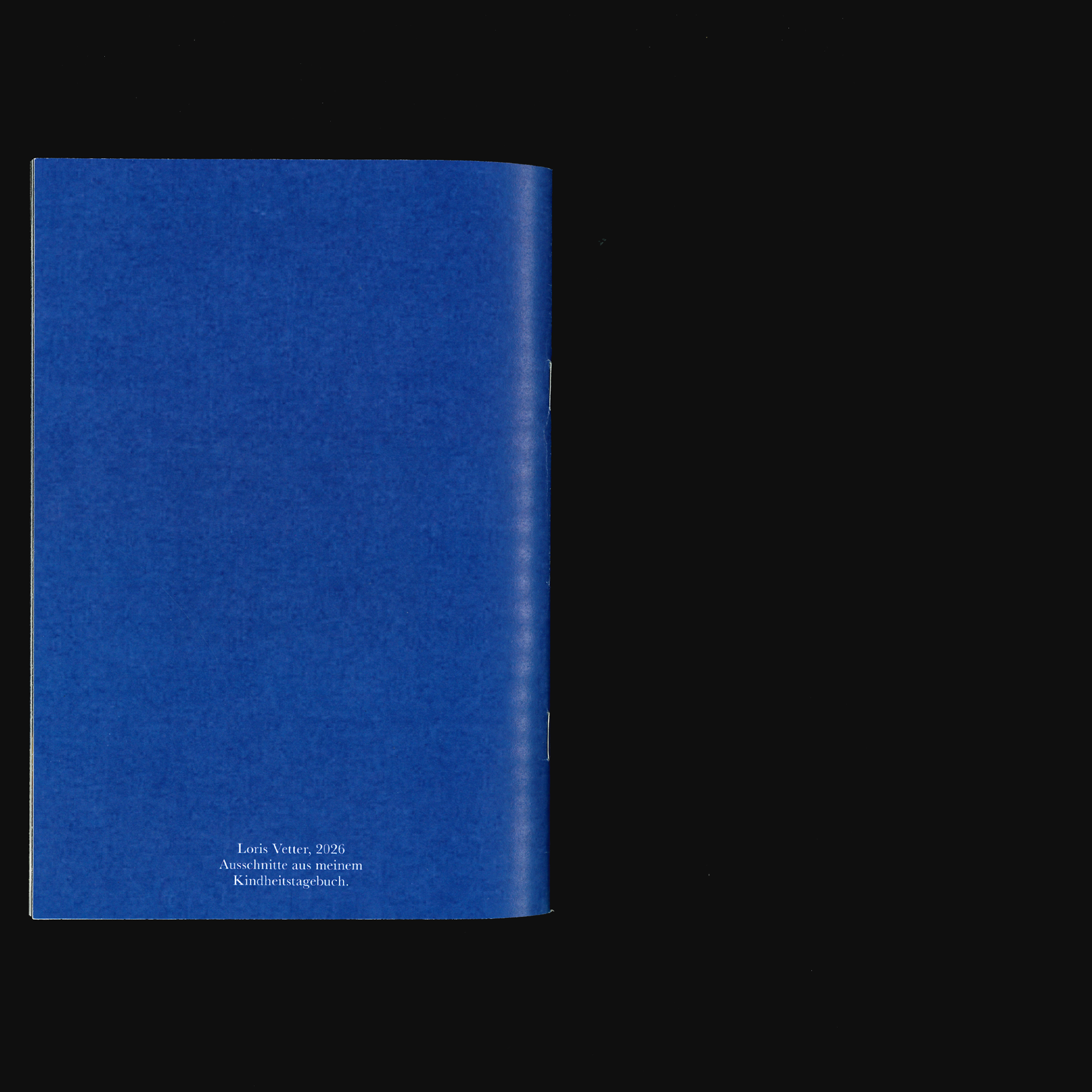
Ausschnitte aus meinem Kindheitstagebuch
(Excerpts from my childhood diary)
(Excerpts from my childhood diary)
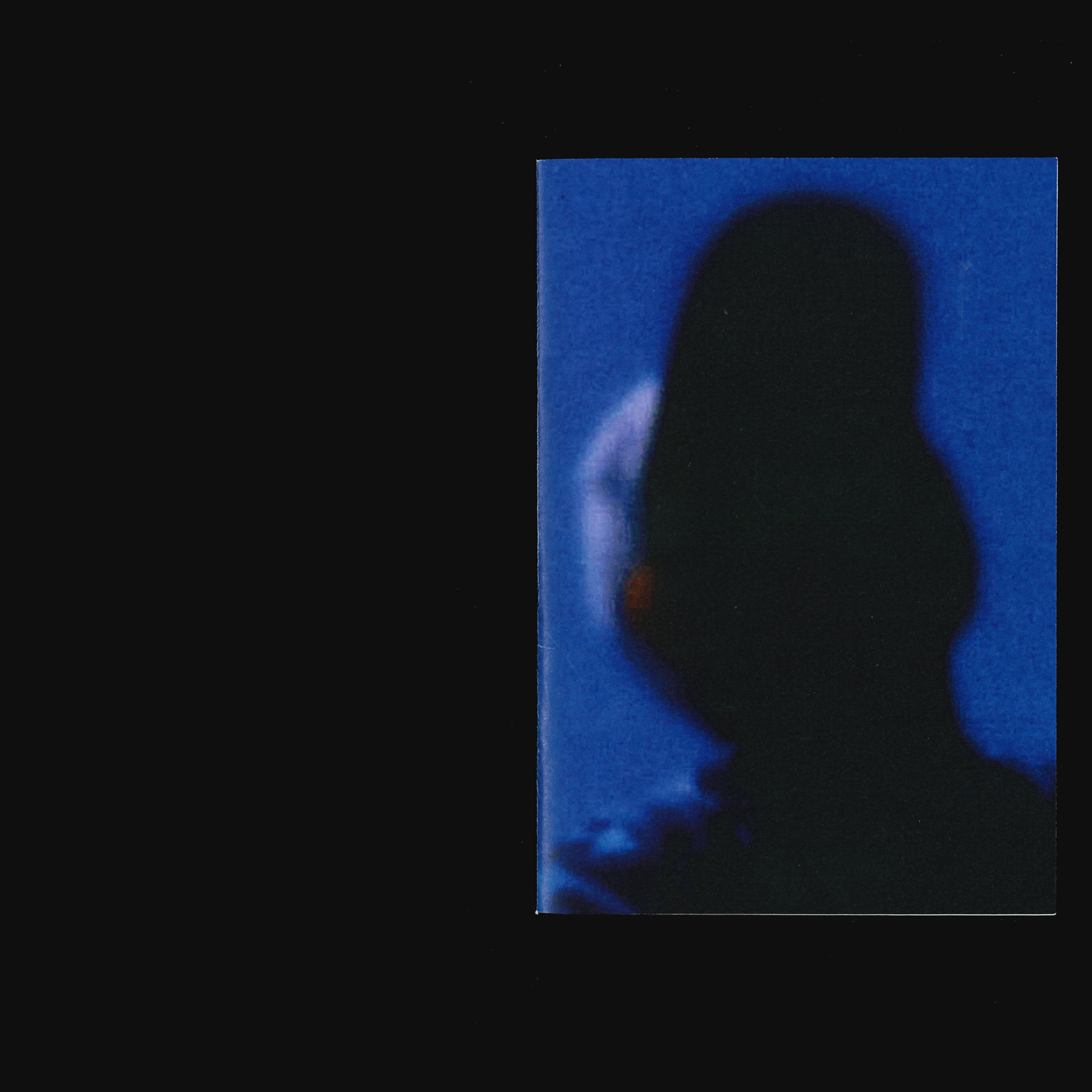
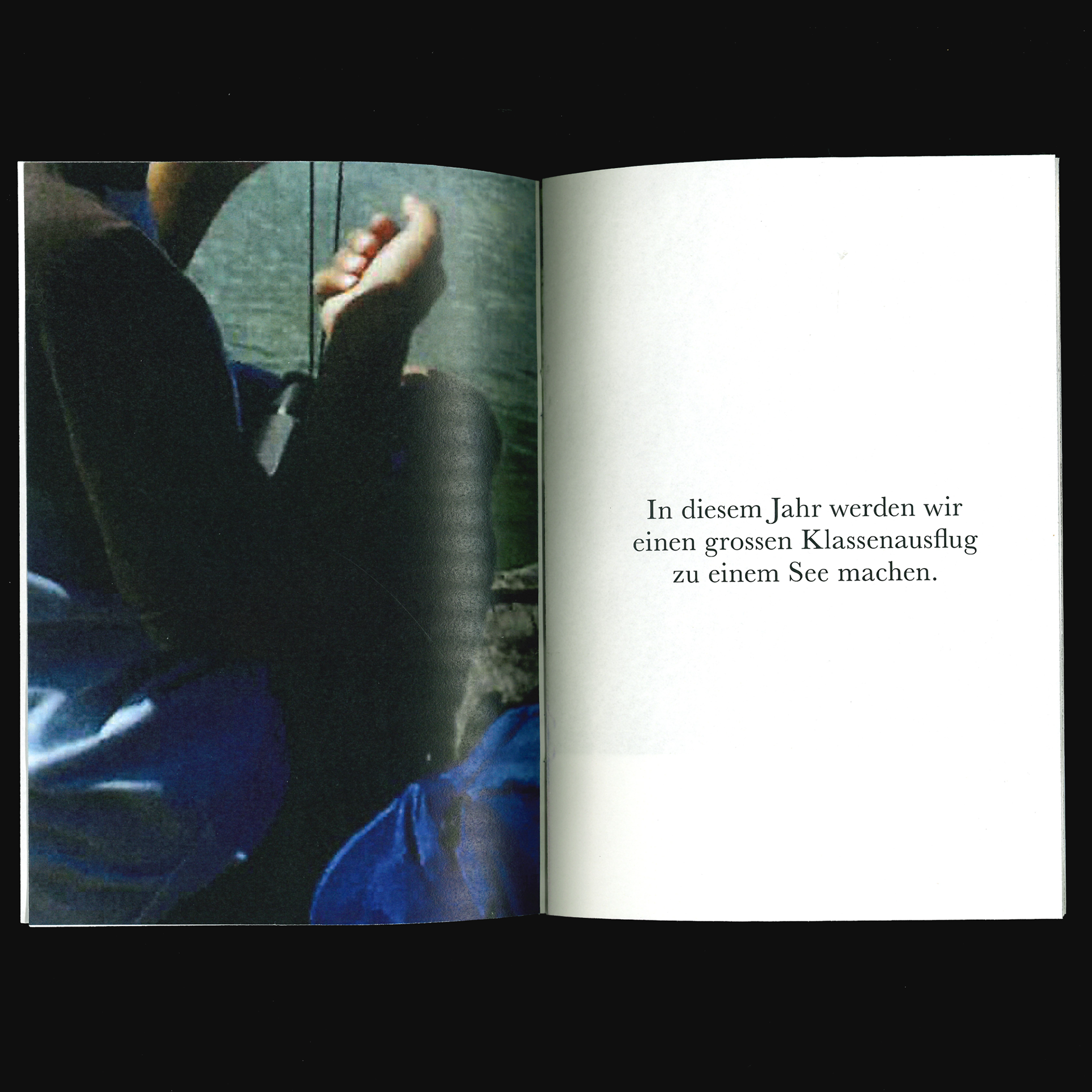
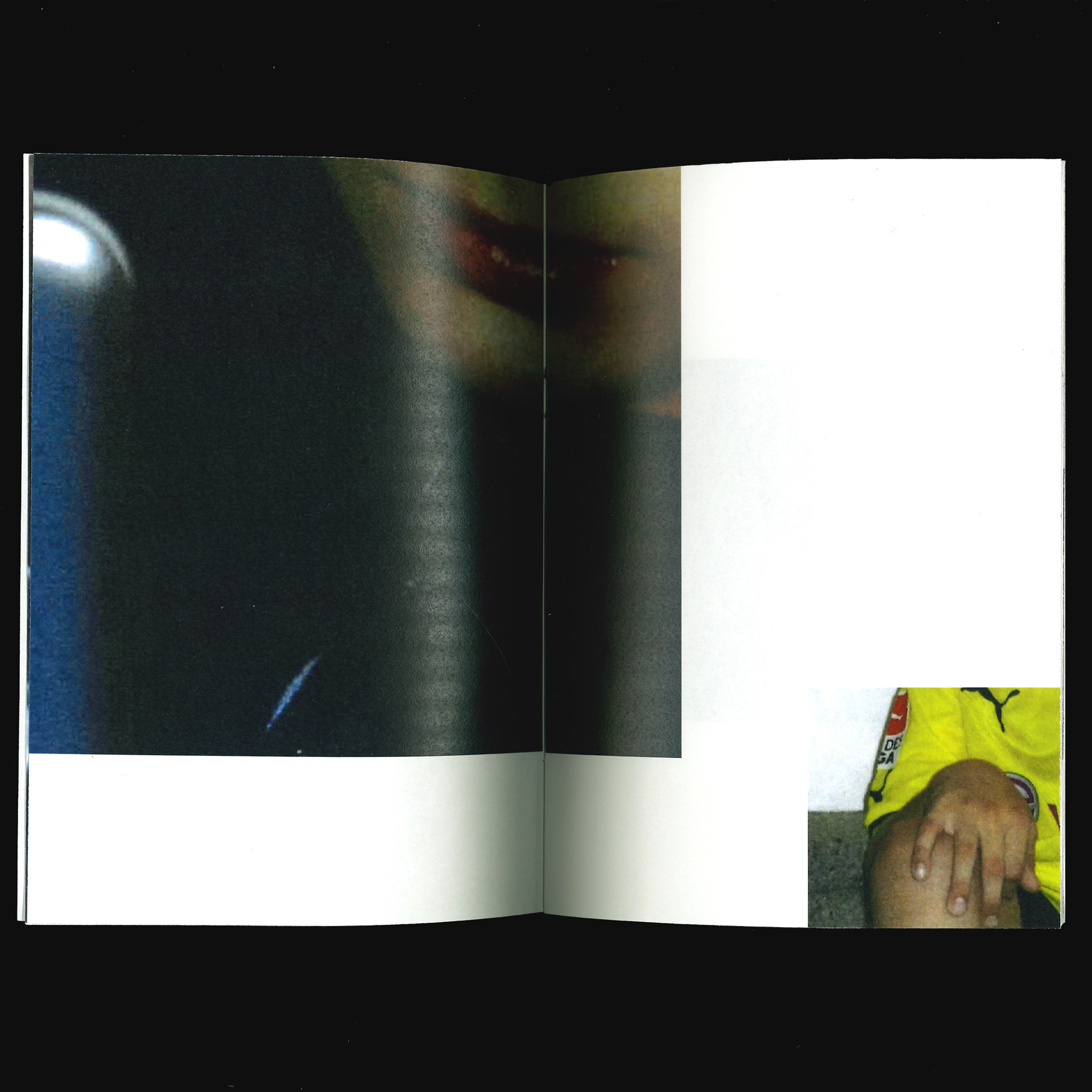
The idea for this project came to me while watching a video clip of David Bowie in which he talks about the cut-up method. In it, he mentioned that you could apply it to anything—even diaries. So I ended up taking snippets of text from my own childhood diaries, which I had started keeping when I was ten years old. Since these are just small, selective snippets from my life, I combined them with heavily cropped photos from my childhood, which also show only details like folded hands or pursed lips—but never my entire body. The final product is a zine that loosely tells the story of a boy whose childlike carefree spirit comes to an end with the development of an anxiety disorder.



THE END
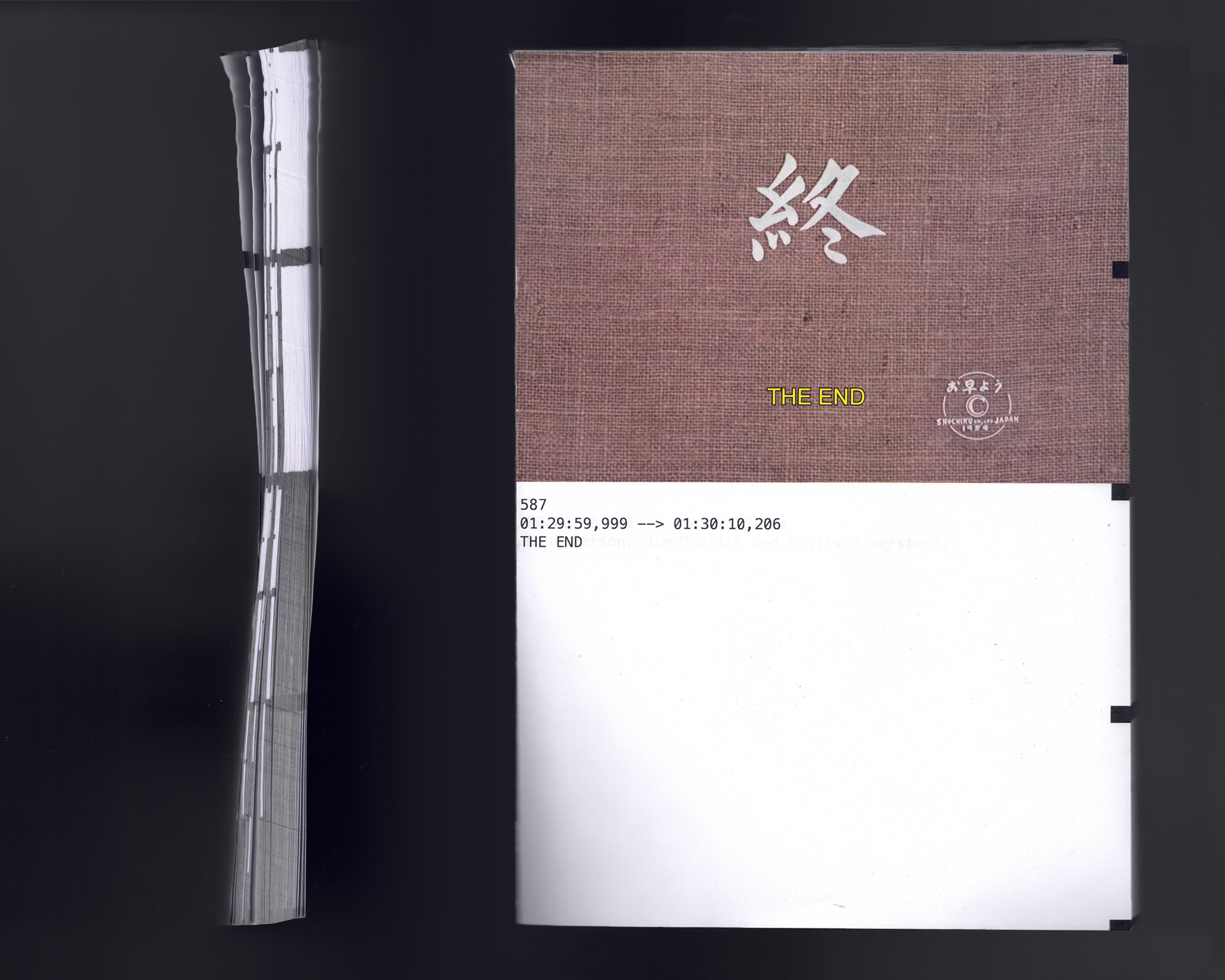
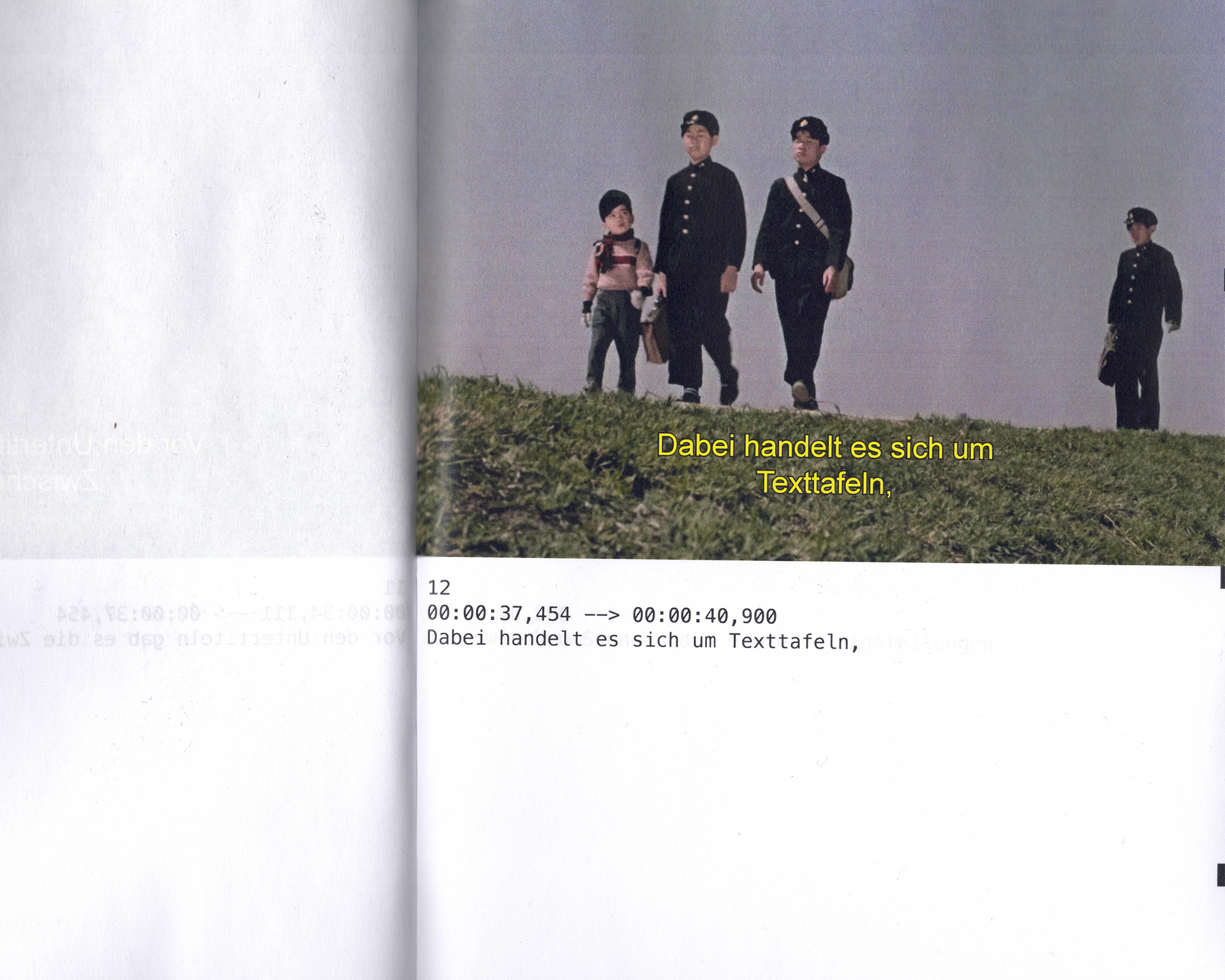
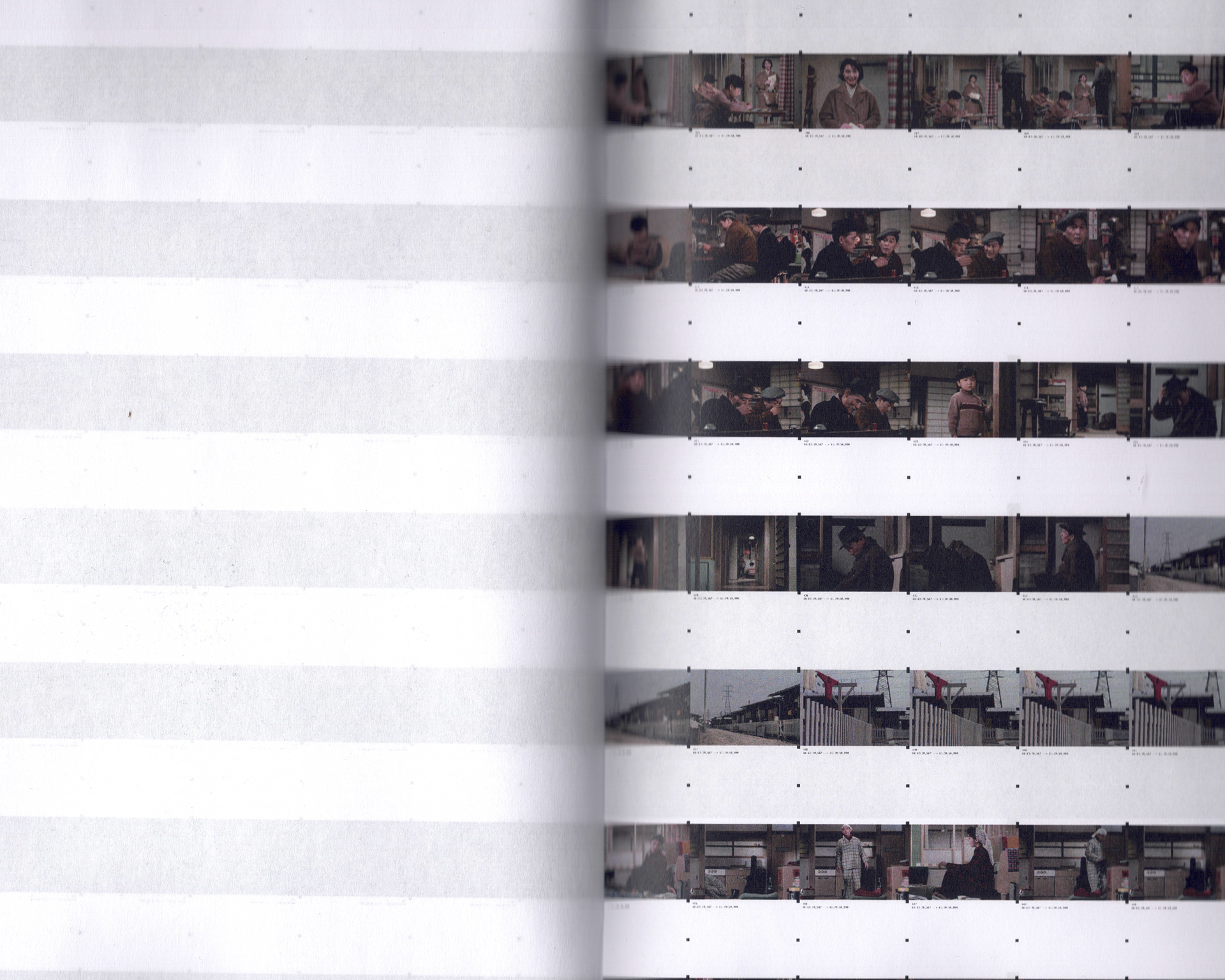
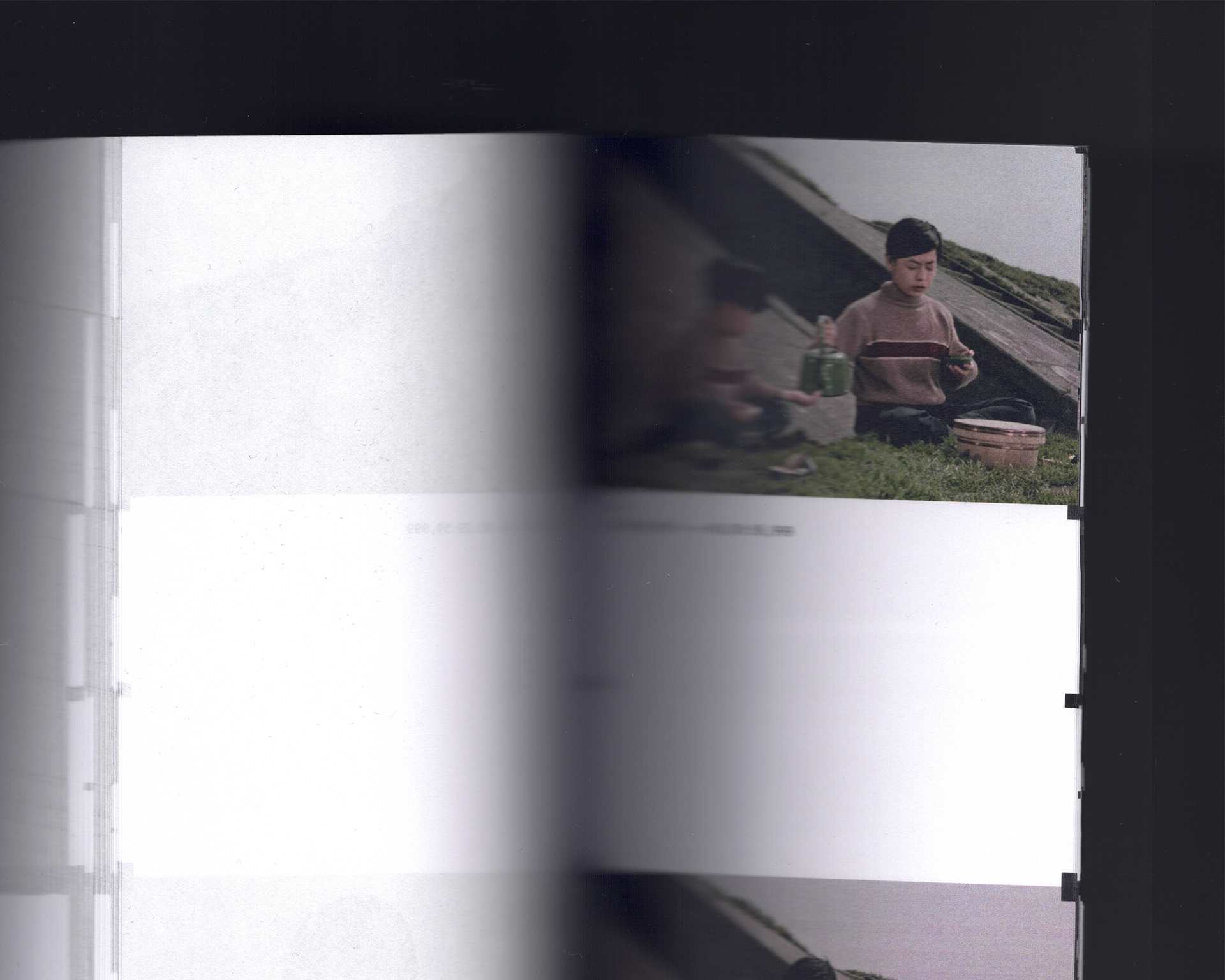
In this work I wanted to celebrate subtitles als the bridges that help us overcome language barriers. For that purpose I appropriated the layout and look of subtitle files, which are linked to video files. In the upper half of the page, a text I wrote myself on the topic found in the subtitle file is displayed over excerpts from the Japanese film “Ohayo.” “Ohayo,” or “Good Morning,” serves as an example of a work that would be inaccessible to many people without subtitles. The final product consists of 120 pages, held together by a self-made glue binding and contains a frame taken from every third second of the film.
Sieht so Gleichheit aus?
(Is this what equality looks like?)
(Is this what equality looks like?)
This poster is intended to use striking, attention-grabbing colors to illustrate the inequality of the social and economic hierarchy. The wealthiest are not only at the very top, but also a very small group, and they have plenty of space and freedom, while the masses at the bottom of the spectrum are crammed together, propping up the rest of the pyramid.
